

Patient guide
Getting ready for your first telehealth consultation
A first appointment goes better when the Clinician has your full history in front of them and you have somewhere quiet to talk. This checklist covers what to gather, how to set up, and what to ask, with the reasons behind each item. It is general information, not medical advice.
Checked against the Medical Board of Australia's telehealth guidelines on 27 October 2026.
The short answer
- Write down every medicine you take, with the dose and how often, including anything over the counter. It is the single most useful thing you can bring.
- Gather recent letters, results and any summary from a previous clinic, and have your GP’s name and practice details ready.
- Book a time when you can be somewhere private and quiet for the whole appointment, then test your camera, microphone and connection the day before.
- You can have a support person with you, and you can ask for an interpreter. Tell the clinic before the day so it can plan for it.
- Write your questions down in advance, and check the fee, how you pay and the cancellation terms before you book.
Changing clinics
Moving your care from another clinic?
Our changing clinics page explains what to bring: your current prescription details and, if you have one, a treatment summary. A LeafLine Clinician reviews your history at a first consultation and decides what happens next.
The checklist
Eight things to have ready
-
Your Medicare card or IHI
Clinics and pharmacies use your Medicare number or Individual Healthcare Identifier (IHI) to match records and prescriptions to the right person. If you hold a Medicare card you already have an IHI.
-
A list of your current medicines
Name, strength, dose and how often, for prescription medicines, anything bought over the counter and any supplements. Note anything you stopped recently and why.
-
Relevant letters and records
Specialist letters, recent results, hospital discharge summaries and any treatment summary from a previous clinic. Scans or photos are fine if the clinic accepts uploads.
-
Your GP’s details
The name of your regular GP and the practice’s phone number or address, so your Clinician can keep them informed if you agree to it.
-
A private, quiet space
Somewhere nobody else can hear the conversation or see the screen, for the full length of the appointment.
-
A device that works
A phone, tablet or computer with a working camera and microphone, charged or plugged in, on a connection you have tested.
-
A support person or interpreter, if you want one
Family, a friend, a carer or an interpreter can join you. Let the clinic know in advance.
-
Your questions, written down
A short list you can work through, plus a symptom log or diary if you have been keeping one.
What to gather
Your medicines, your records and your GP
The medicines list matters most. A Clinician assessing you for the first time has no history to fall back on, and the questions about interactions and side effects depend on knowing everything you take. Write it down rather than relying on memory: the name and strength from the box, the dose, how often, and roughly when you started. Include over-the-counter medicines and supplements, because people leave those out more than anything else.
Records fill in what a list cannot. A specialist letter, a recent set of results or a hospital discharge summary tells the Clinician what has already been tried and what other practitioners found. If you have been with another clinic, ask it for a treatment summary before your first appointment; our post on treatment summaries explains what to ask for. None of this is compulsory, and a first appointment can go ahead without it, but the Clinician will have less to work from.
Your GP's details round it off. The Medical Board's telehealth guidelines say that, with your consent and when clinically warranted, the practitioner should let your usual GP know about advice, referrals and any medicines prescribed. That keeps the person who sees you for everything else up to date, and you decide whether it happens.
You do not need a Medicare card for a private consultation. If you are not enrolled in Medicare, an Individual Healthcare Identifier serves the same matching purpose for your record and prescriptions; our post on telehealth without a Medicare card explains how to get one.
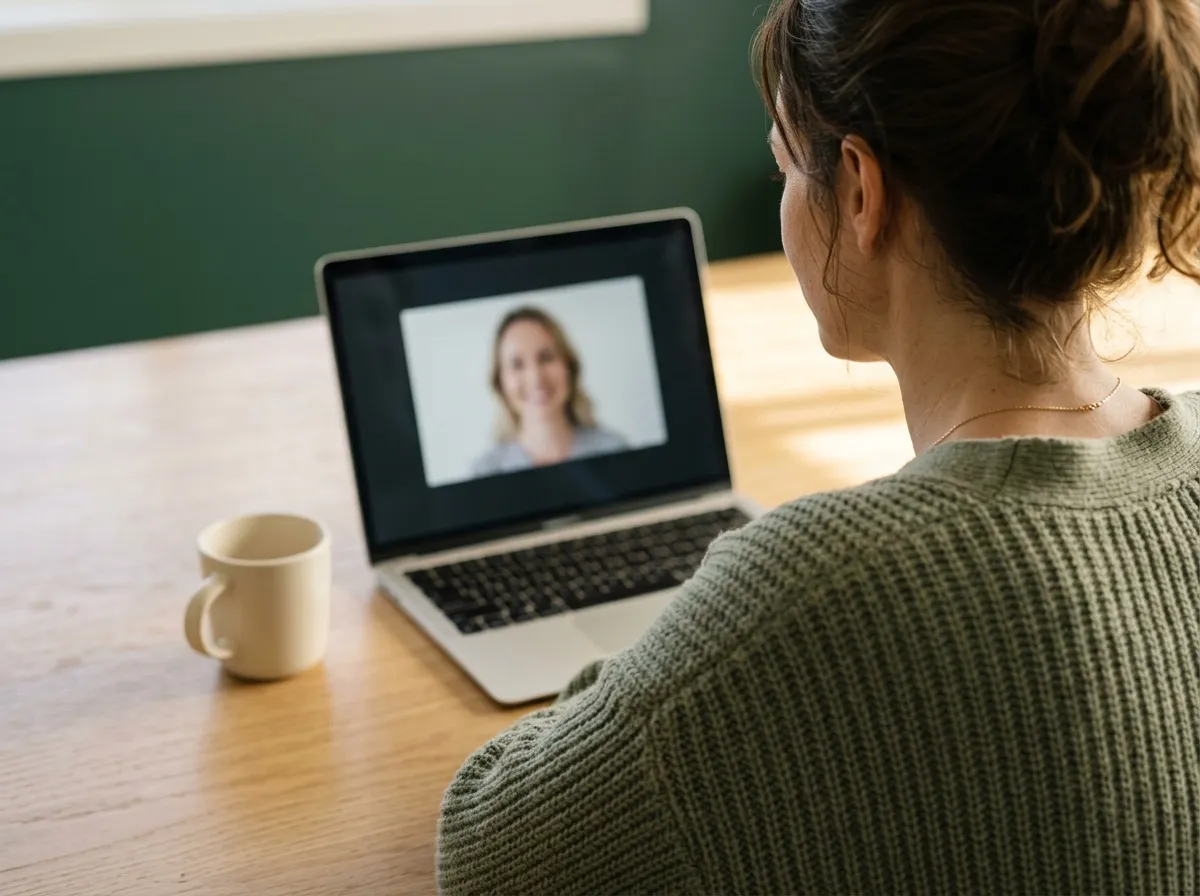
Test the camera and microphone the day before, on the device you will use.
Your space and your device
Somewhere private, on a connection you have tested
The Medical Board's guidelines ask practitioners to make sure patients know to be aware of their surroundings and of who may be able to hear the audio or see the screen. In practice that means a room with the door shut, or a parked car with the windows up. An open-plan office does not work, and neither does a kitchen with the family walking through. Choose the appointment time around the place, not the other way round.
Use whichever device has the most reliable camera and microphone, and test it on the video platform your clinic uses, ideally the day before. Plug it in or charge it fully. Headphones help in a shared house. Wi-Fi at the far end of the house can drop out mid-sentence, so sit near the router or use mobile data if that is steadier.
Ask the clinic how it will reach you if the video fails. The same guidelines expect practitioners to have a way to continue or reschedule when the technology fails, and to make sure you know what it is. Usually that is a phone call to your mobile, so keep it charged and nearby.
People and questions
A support person, an interpreter and your list of questions
You can have someone with you. The Medical Board's guidelines say patients should be told they can have support persons at the consultation, including family members, friends, carers, other health practitioners and interpreters, and that the practitioner should ask whether an interpreter is needed. Tell the clinic in advance so the Clinician expects a second person, and so a professional interpreter can be booked if you want one. Our post on bringing a support person covers how to make that work on the day.
Write your questions down before the appointment. An appointment passes quickly, and the question you most wanted to ask is the one people forget. If you are still choosing a clinic, our post on questions to ask before you book has a starting list. If you have been keeping a symptom log or diary, bring it; our post on symptom logs and diaries explains what is worth recording.
Check the money before the day as well. The guidelines expect practitioners to explain billing arrangements, including whether a Medicare rebate applies, and to get your financial consent. Read the clinic's fee schedule and cancellation terms before you book. At LeafLine Clinic every fee and the full cancellation policy are on our fees page, and our guide to what a telehealth clinic charges sets out what to compare between clinics.
For what happens once the call connects, from the first questions to what follows the appointment, read what to expect from your first telehealth consultation.
On the day
Log in five minutes early
Open the link a few minutes before the start time, with your medicines list, letters and questions beside you and the door closed. At LeafLine Clinic, joining more than 15 minutes late can mean the appointment is treated as missed and the full fee still applies, so those five minutes give you room to fix a camera or a login problem. If you cannot make it, our cancellation terms set out what applies.
Current at 27 October 2026. General information, not medical advice. Source: Medical Board of Australia, Guidelines: Telehealth consultations with patients (page reviewed 1 September 2023, read 27 October 2026). The Nursing and Midwifery Board page could not be reached on 27 October. Medicare and IHI details follow our post on telehealth without a Medicare card, which cites Services Australia. Late-arrival and fee details describe LeafLine Clinic's published policy.
Getting ready for a telehealth consultation: common questions
What do I need for a telehealth appointment?
A phone, tablet or computer with a working camera and microphone, a reliable internet connection and a private, quiet place to sit for the whole appointment. Have your Medicare card or IHI, a list of your current medicines, any recent letters or results and your GP’s details within reach. This is general information, not medical advice.
How should I prepare for my first telehealth consultation?
Write a full list of the medicines you take, gather relevant letters and results, note your GP’s details, test your device and connection the day before, and write down the questions you want answered. Check the fee and cancellation terms before you book so there are no surprises on the day.
Can I have someone with me during a telehealth consultation?
Yes. The Medical Board of Australia’s telehealth guidelines say patients should be told they can have support persons at the consultation, including family members, friends, carers, other health practitioners and interpreters. Tell the clinic beforehand so the Clinician knows to expect them.
Do I need a Medicare card for a telehealth consultation?
Not for a private consultation that attracts no Medicare rebate. If you are not enrolled in Medicare, an Individual Healthcare Identifier (IHI) lets clinics and pharmacies match your record and prescriptions to you. Our post on telehealth without a Medicare card explains how to get one.
Should I bring a list of my medications to a telehealth appointment?
Yes. Include every prescription medicine, anything you buy over the counter and any supplements, with the dose and how often you take it. Your Clinician needs the full picture to check for interactions, and a written list is more accurate than memory on the day.
Can I do a telehealth appointment from my car or at work?
Only if nobody else can hear you. The Medical Board’s guidelines ask that patients be aware of their surroundings and who may hear the audio or see the screen. A parked car with the windows up works. An open-plan office or a shared lunchroom does not.
What happens if my internet drops during a telehealth call?
Practitioners are expected to have a plan to continue or reschedule the consultation if the technology fails, and to make sure you know what to do. Ask the clinic before the day whether they will call your phone if the video drops, and keep your phone charged and nearby.
Will the telehealth clinic tell my GP?
Only with your consent. The Medical Board’s guidelines say that, with the patient’s consent and when clinically warranted, the practitioner should inform the patient’s usual GP about advice, referrals and any medicines prescribed. Bringing your GP’s details makes that possible if you agree to it.
Ready to get started?
Take the first step. A simple conversation with a Clinician.
AHPRA-registered Clinicians · Australian-owned and operated · Telehealth nationwide